Turbo, Eldoret, Kenya +254 720 336 363
Turkey Farming

Quality Turkeys

High Value. Festive Demand. Hardy Adults.

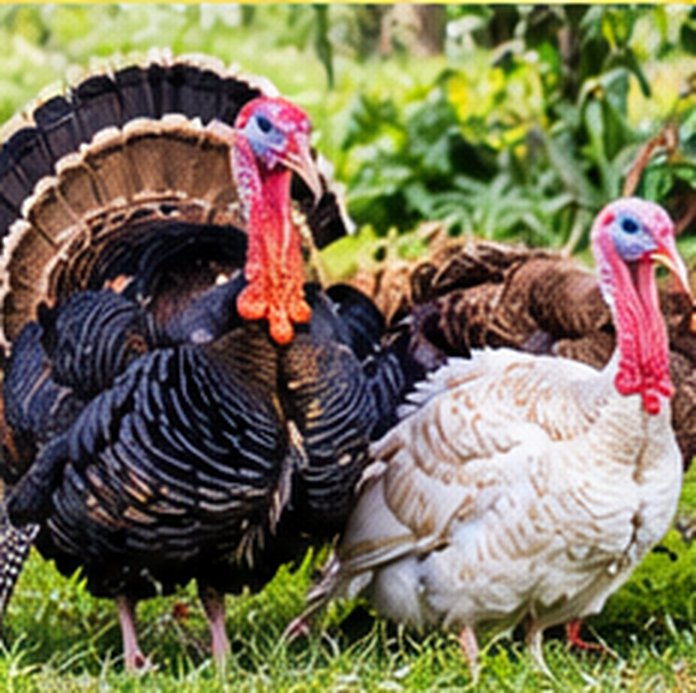
At Vinfarm Solutions, turkeys are part of our poultry enterprise. We rear six heritage breeds: Blue Slate, Bourbon Red, Royal Palm, White Holland, Spanish and Bronze. We sell poults, mature toms and hatching eggs, and teach brooding and turkey management.

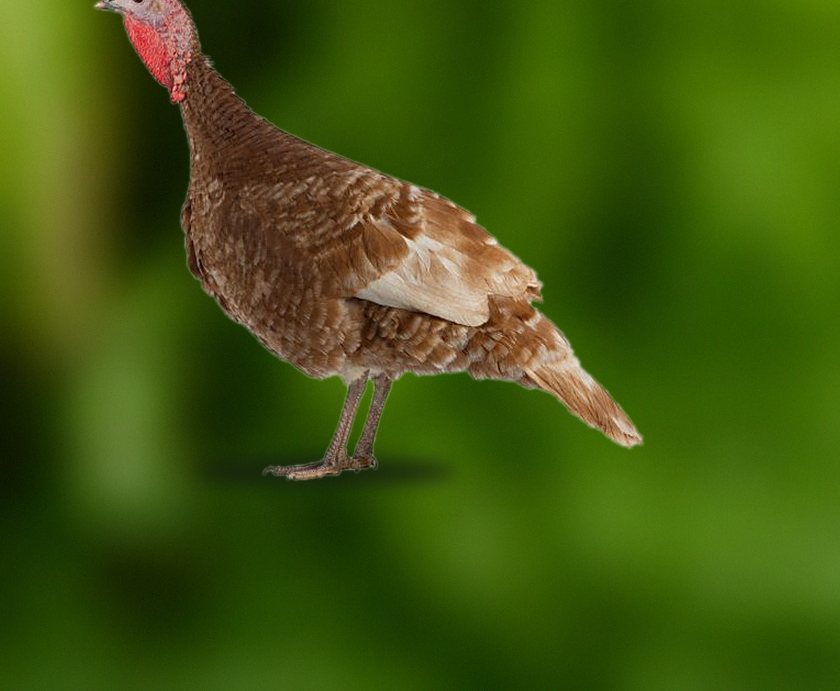
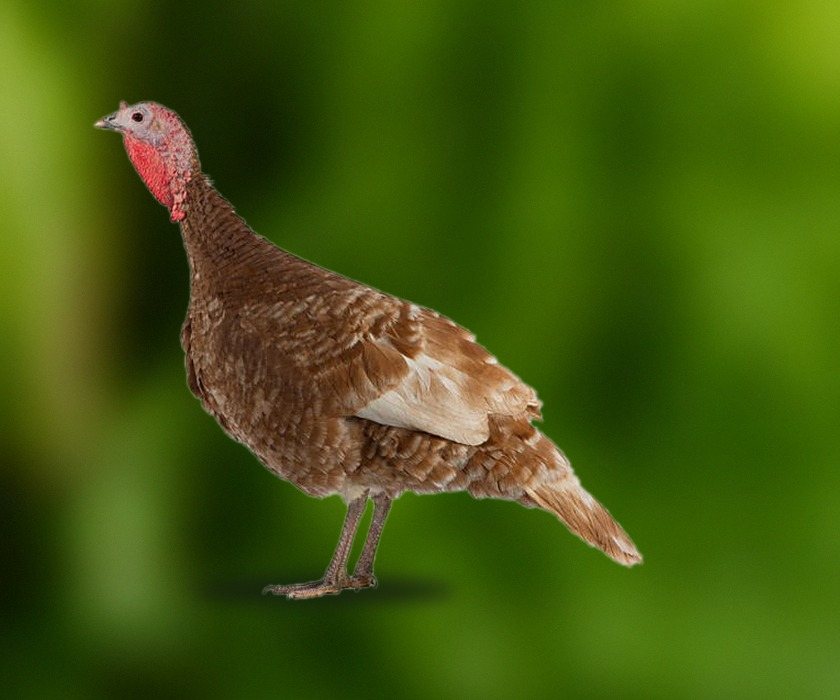
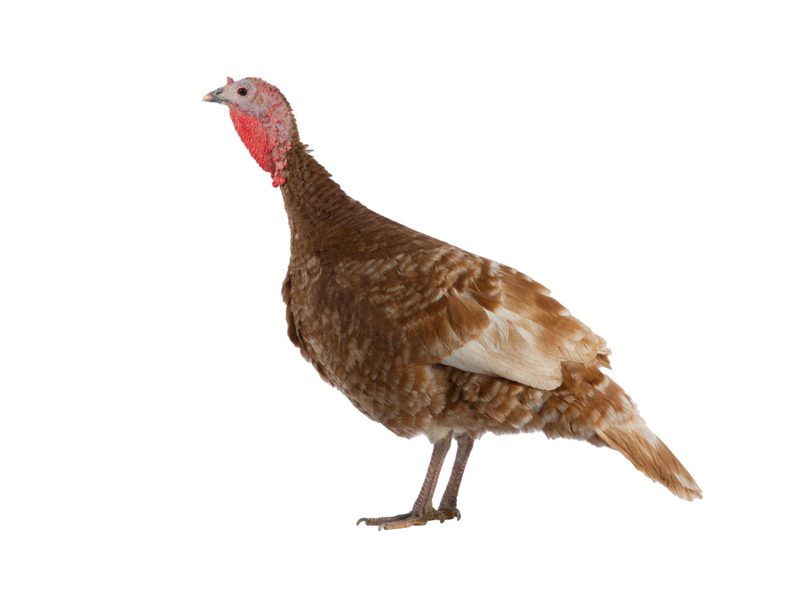
A turkey hen
High Value per Bird
Festive Demand
Good Foragers
Hardy Adults
Poults Available

About Turkey Farming

A mature tom can sell for the price of several chickens, and demand peaks at Christmas, Easter and other festive seasons, so you can plan months ahead.

Turkeys forage well: good pasture, greens and insects reduce feed costs for growing birds. Adults are hardy and calm when reared gently. The critical stage is brooding the poults in their first weeks.

Turkeys at Vinfarm

Quick Facts

Our breedsBlue Slate, Bourbon Red, Royal Palm, White Holland, Spanish, Bronze
Broad-breasted tom12–14 kg at 20–24 weeks
Broad-breasted hen6–8 kg at 16–20 weeks
Heritage tom6–8 kg at 24–28 weeks
Starter protein26–28% (0–6 weeks)
Adult spaceHens 0.5–0.6 m², toms 0.75–1 m²
MatingHeritage breeds mate naturally
Peak marketFestive seasons

Why Keep Turkeys?

  • High value per bird
  • Strong seasonal demand you can plan for
  • Good foragers on pasture
  • Hardy, calm adults
  • Rich manure for crops and fodder
  • Heritage breeds mate naturally and brood

Growth & Feed

BirdSelling ageLive weightTotal feed
Broad-breasted hen16–20 wks6–8 kg16–22 kg
Broad-breasted tom20–24 wks12–14 kg32–42 kg
Local / heritage tom24–28 wks6–8 kg25–30 kg + forage

Space Guide

AgeSpace per bird
0–4 weeks (brooder)0.1 m²
4–8 weeks0.2–0.25 m²
8–16 weeks0.4–0.5 m²
Adult hens0.5–0.6 m²
Adult toms0.75–1 m²
Crowding causes feather pecking, fighting, wet litter and disease. Keep turkeys away from chickens: chickens can carry blackhead disease.

Our Turkey Breeds

The turkey breeds we rear at Vinfarm. Tap a breed for full details.

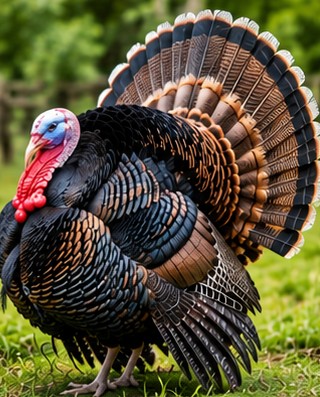
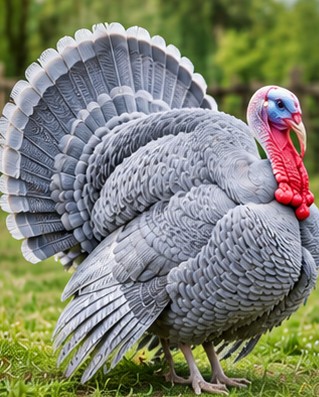
Blue Slate turkey

Blue SlateHeritage

Also called Slate or Blue turkey
Soft ash-blue plumage. Calm and easy to handle.
OriginUnited States
Standard tomabout 15 kg
Standard henabout 8 kg
TemperamentCalm, docile
Main useMeat, display
MatingNatural

Colour: Ash-blue to slate-grey all over; some birds show small black flecks.

An old American variety, recognised in the American Standard of Perfection in 1874. Its even blue-grey colour makes it one of the most eye-catching turkeys in a flock, and it grows to a good table weight.

  • Calm birds that settle well on small farms
  • Good table weight for a heritage turkey
  • Hens go broody and can hatch their own poults
Good to know: The slate colour does not breed fully true: slate-to-slate matings give mostly slate poults plus some black and some pale ones. Dark pin feathers can show on the plucked carcass.
Ask about Blue Slate poults, eggs or birds
Bourbon Red turkey

Bourbon RedHeritage

Also called Red Bourbon or Kentucky Red
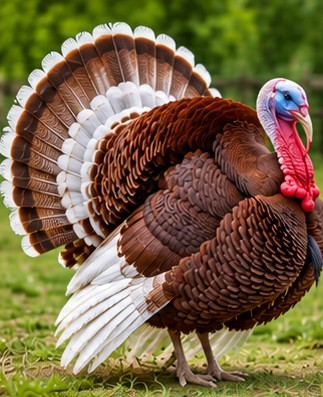
Rich mahogany-red with white wings and tail.
OriginKentucky, USA
Standard tomabout 15 kg
Standard henabout 8 kg
TemperamentCalm
Main useMeat
MatingNatural

Colour: Deep chestnut / mahogany-red body with white flight and tail feathers.

Developed in Bourbon County, Kentucky, in the late 1800s and recognised in 1909. A hardy, calm heritage turkey valued for its meat; its light-coloured pin feathers leave a clean-looking carcass.

  • Dresses clean: pale pin feathers do not show on the skin
  • Hardy, calm and a good forager
  • Hens are good mothers and brood well
Good to know: The deep red colour takes careful selection to keep; avoid breeding from pale or orange-red birds.
Ask about Bourbon Red poults, eggs or birds
Royal Palm turkey

Royal PalmOrnamental

Black-laced white pattern
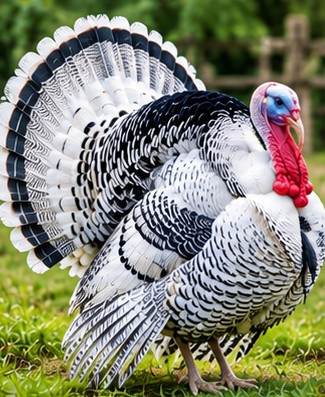
White with sharp black edging. Small and active.
OriginFlorida, USA
Standard tomabout 10 kg
Standard henabout 5.5 kg
TemperamentCurious, active
Main useOrnamental, small-family meat
MatingNatural

Colour: White with metallic black edging on each feather, black saddle, white tail with a black band.

The palm pattern appeared in the 1920s in a mixed flock in Lake Worth, Florida, and was recognised in 1971. It is the smallest of our six breeds and one of the most beautiful, loved for show and as a family-sized table bird.

  • Striking black-and-white pattern for show and ornamental sales
  • Excellent, active forager that helps control insects
  • Family-sized bird for small ovens
  • Reported to be somewhat more heat-tolerant than other heritage strains
Good to know: Royal Palms fly well: keep them in a fenced or covered run. Toms can bully other poultry if kept together.
Ask about Royal Palm poults, eggs or birds
White Holland turkey

White HollandHeritage

White heritage turkey
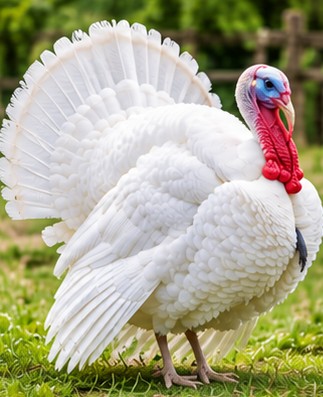
Pure white. Large, calm and dresses clean.
OriginUSA, from European whites
Standard tomabout 16 kg
Standard henabout 9 kg
TemperamentCalm, docile
Main useMeat
MatingNatural

Colour: Pure white plumage with a red head and pink legs.

Recognised in 1874, the White Holland was the main white table turkey before the modern Broad-Breasted White. Unlike the broad-breasted bird, it still mates naturally, and it is one of the two largest heritage varieties.

  • Large heritage table bird
  • White pin feathers leave a clean carcass
  • Calm and easy to manage
  • Mates naturally, so you can breed your own poults
Good to know: White plumage shows dirt quickly: keep litter dry and give shade and clean runs.
Ask about White Holland poults, eggs or birds
Spanish turkey

SpanishHeritage

Black Spanish, also known as Norfolk Black
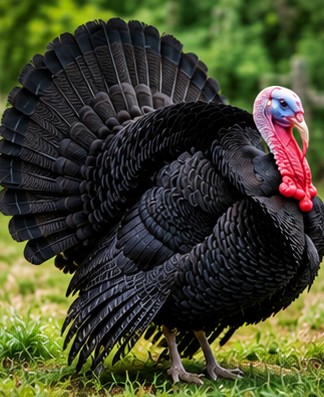
Glossy black with a green sheen. Hardy forager.
OriginEurope (Spain and England)
Standard tomabout 15 kg
Standard henabout 8 kg
TemperamentActive, hardy
Main useMeat
MatingNatural

Colour: Solid glossy black with a metallic green sheen.

One of the oldest turkey varieties, taken from Europe to the Americas and recognised as the Black in 1874. A hardy, active bird and a good forager, with a rich-flavoured meat.

  • Hardy and a strong forager on range
  • Rich, full-flavoured meat
  • Mates naturally and hens brood well
Good to know: Dark pin feathers can leave small dark spots on the plucked skin; careful plucking gives a better-looking carcass.
Ask about Spanish poults, eggs or birds
Bronze turkey

BronzeHeritage

Standard (heritage) Bronze
Classic shiny copper-bronze. The largest heritage turkey.
OriginUnited States
Standard tomabout 16 kg
Standard henabout 9 kg
TemperamentActive
Main useMeat, festive sales
MatingNatural

Colour: Metallic copper-bronze with black, white-barred wing feathers and a banded tail.

The classic festive turkey, developed from European domestic turkeys crossed with wild turkeys and recognised in 1874. Together with the White Holland it is the largest heritage variety.

  • Largest heritage turkey: a big festive bird
  • Beautiful shiny plumage that customers recognise
  • Mates naturally and forages well
Good to know: Not the same as the Broad Breasted Bronze, which is too heavy to mate naturally. Dark pin feathers can show on the carcass.
Ask about Bronze poults, eggs or birds

Compare the breeds

BreedColourTom (standard)Hen (standard)TemperamentBest for
Blue SlateAsh-blue / slate-greyabout 15 kgabout 8 kgCalm, docileMeat and a striking display flock
Bourbon RedMahogany-red, white wings and tailabout 15 kgabout 8 kgCalmTable birds with a clean carcass
Royal PalmWhite with black edgingabout 10 kgabout 5.5 kgCurious, activeOrnamental flocks and small family birds
White HollandPure whiteabout 16 kgabout 9 kgCalm, docileLarge table birds with a clean carcass
SpanishGlossy black, green sheenabout 15 kgabout 8 kgActive, hardyFree-range flocks and rich-flavoured meat
BronzeCopper-bronzeabout 16 kgabout 9 kgActiveBig festive table birds

Weights are breed-standard adult weights (The Livestock Conservancy heritage turkey chart). On smallholdings birds are often lighter, depending on feeding. All six are heritage turkeys: they mate naturally, hens can hatch their own poults, and they reach good table weight at about 24–28 weeks.

Key Characteristics

  • High value and festive demand
  • Large carcass (broad-breasted)
  • Natural mating and foraging (heritage breeds)
  • Hardy, calm adults
  • Good on pasture with greens
  • Rich manure

Learn: Farm Guides

Illustrated, practical guides from the Vinfarm Farming Library. Pay with M-Pesa and download straight away.

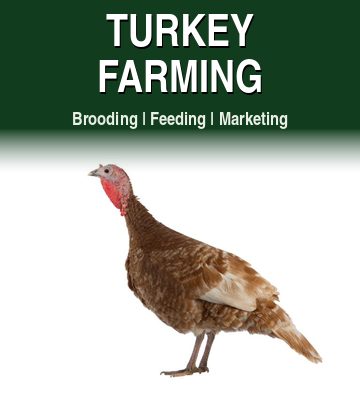
Turkey Farming guide cover
Turkey Farming

Breeds, housing, brooding, feeding, health and festive marketing.

Get the guide
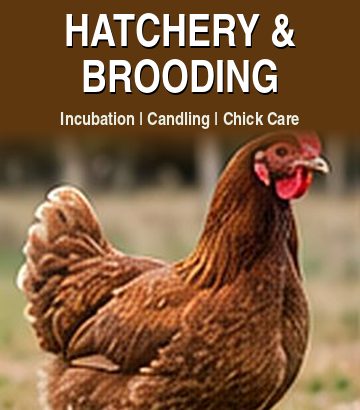
Hatchery & Brooding guide cover
Hatchery & Brooding

Incubation and brooding for all poultry.

Get the guide

Our Turkeys at Vinfarm

Turkeys at Vinfarm

Buy from Vinfarm

Straight from the Vinfarm Shop. Add to cart and check out on WhatsApp; we confirm price, availability and delivery before you pay with M-Pesa.

Loading products… You can also browse the Poultry section of the shop.

What We Offer

  • Turkey poults (1 month)
  • Mature toms
  • Turkey hatching eggs
  • Farm visits
  • Brooding and turkey training
  • Advice and support

Feeding Turkeys

  • Turkey starter crumbs (26–28%) for 0–6 weeks
  • Broiler starter if turkey starter is unavailable
  • Grower (20–22%) at 6–12 weeks
  • Finisher (16–18%) to sale
  • Greens and forage for growing birds
  • Never feed chick or layers mash to young poults

Housing

A well-drained site away from chicken houses, a solid lower wall with mesh above, a roof with a good overhang, 8–10 cm of dry litter and wide perches at 60–75 cm.

Manage Your Turkeys With AgriPlan

Track batches, brooding, growth, feeds, vaccinations, costs and festive sales.

  • Batch records
  • Brooding and growth
  • Feeds and costs
  • Vaccinations
  • Hatchery records
  • Sales and reports
Explore AgriPlan
?

Frequently Asked Questions

Do you sell turkeys?

Yes: poults, mature toms and turkey hatching eggs are listed in the shop above. Call +254 720 336 363 for availability.

Which turkey breeds do you rear?

Six heritage breeds: Blue Slate, Bourbon Red, Royal Palm, White Holland, Spanish (Black) and Bronze. Bronze and White Holland are the largest; Royal Palm is the smallest and most ornamental. All six mate naturally and the hens can hatch their own poults.

What do poults eat?

Turkey starter crumbs (26–28% protein) for the first 6 weeks; broiler starter is the next best choice if turkey starter is not available.

Can I keep turkeys with chickens?

It is best not to: chickens can carry blackhead disease, which is dangerous for turkeys.

When do turkeys sell best?

Demand peaks at Christmas and other festive seasons. Plan batches so birds reach market weight just before.

Get Quality Turkeys

Contact Vinfarm Solutions today.